Germany 2026 - Structural Diagnosis and Trajectory
Otto B. Isong
1 min read
28/09/2026
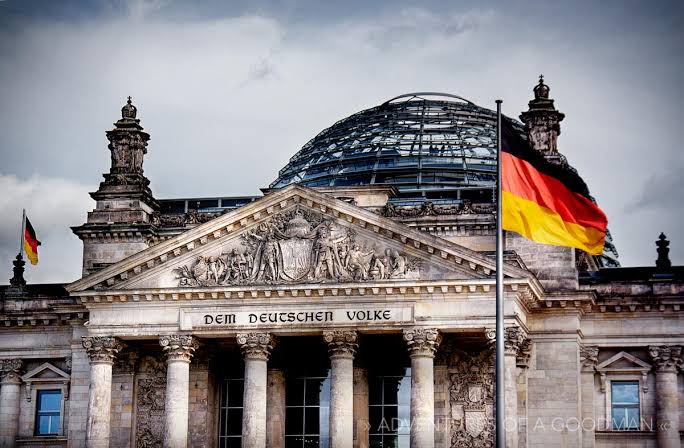
Executive Summary
Germany faces a critical structural competitiveness crisis driven by high energy costs following the loss of Russian pipeline gas, U.S. subsidy competition (IRA), and expanding Chinese industrial scale. Conventional economic models obscure this slow erosion, which threatens to decouple R&D from production and weaken the domestic Mittelstand. The report outlines an urgent 5-to-10-year window for structural reform before these industrial losses become difficult to reverse.
Core Insights
- Diagnostic Blind Spot: Standard metrics treat structural erosion as routine cyclical shifts, ignoring long-term supply chain damage.
- Energy Cost Disadvantage: German industrial electricity prices sit at roughly double U.S. levels, driving capital flight.
- 4-Pillar Strategy: Calls for energy autonomy (baseload power/nuclear evaluation), defence-industrial reorientation with EU partners, democratic mandate-building, and a €50B Sovereign Tech Fund.
- Implementation: Proposes a phased 2026–2036 roadmap to navigate political and coalition frictions.
Value to Stakeholders
- Policymakers: Offers a concrete 10-year implementation roadmap to bridge the current political feasibility gap.
- Corporate Leaders: Provides a strategic framework to assess supply chain resilience and long-term capital allocation beyond short-term tax arbitrage.
- Investors & Analysts: Delivers macroeconomic intelligence on European capital flows and structural risk trajectories.
[Download Full Report]