Safaricom PLC - Stepping into the Future?
Otto B. Isong
1 min read
15/09/2026
Executive Summary
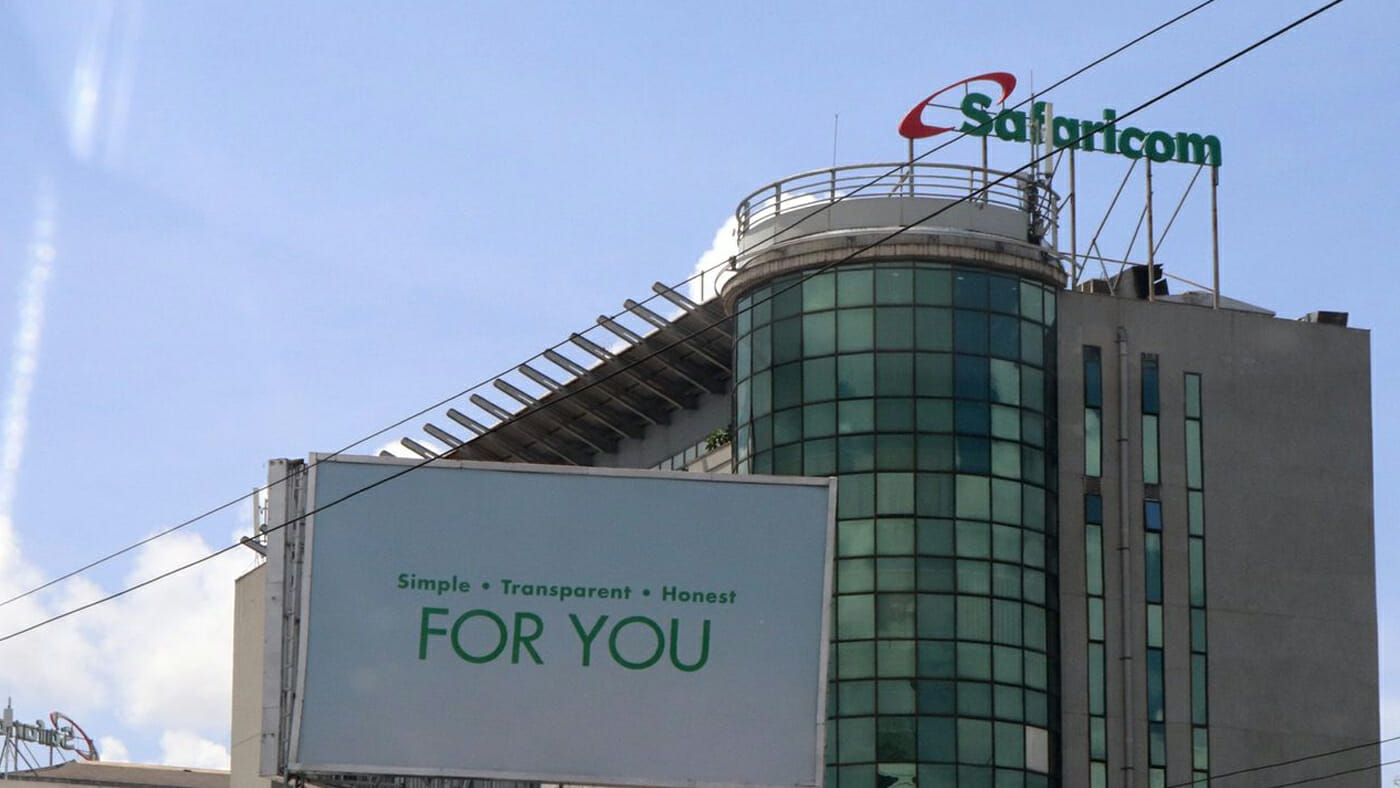
Safaricom remains one of Africa's most successful corporations, powering 41 million active M-Pesa customers in Kenya, processing KES 41.68 trillion in transactions in the year ending March 2026, and securing a landmark 25-year operating license from the Communications Authority of Kenya. Despite record earnings, a deeper structural diagnosis reveals three critical developments:
- Governance & Ownership Shift: On June 30, 2026, Vodacom Group completed a $2.1 billion deal elevating its effective stake to ~55%, reducing the Kenyan Government's share to 20%. Governance rules adopted at the July 2026 AGM now require the CEO to be chosen from a shortlist supplied by Vodafone Kenya.
- Ethiopian Cross-Subsidization: Safaricom's Ethiopian venture has expanded rapidly to 14.7 million active customers by mid-2026, but M-Pesa accounts for only 2% of Ethiopian service revenue (versus 45.6% in Kenya). Kenyan cash flows continue to fund this monetization gap.
- Analytical Blind Spot: Standard financial metrics record size rather than strategic direction. Safaricom is undergoing a profound structural transition that requires active governance rather than purely operational management.
Value to Key Stakeholders
- Shareholders: Gains clarity on how revenue concentration in M-Pesa and capital demands in Ethiopia impact group risk, dividend stability, and board control dynamics.
- Management: Receives a strategic framework to balance Ethiopian scale with local trust, manage data sovereignty integration, and clear operational friction.
- The Public & Regulators: Provides transparent documentation on how ownership changes affect national identity, data jurisdiction, and the company's historical social contract with Kenya.
Core Structural Fragilities
- Revenue Concentration: Over-reliance on M-Pesa in Kenya (45.6% of service revenue) exposes the firm to heightened regulatory oversight, sector competition, and IP litigation risks.
- Scale vs. Trust Gap in Ethiopia: $2.65 billion has been committed to Ethiopia, but lower mobile-money usage leaves the operation reliant on Kenyan cash flows.
- Divergence of Ownership and Public Trust: While public trust in Kenya remains high, foreign majority control and foreign CEO nomination rights dilute the company's identity as a purely national institution.
Download the Full Report
For the complete analysis—including a detailed breakdown of the 6 Possible Futures, strategic cost-path comparisons, and board governance principles—download the complete PDF report below.